Working Waterfront

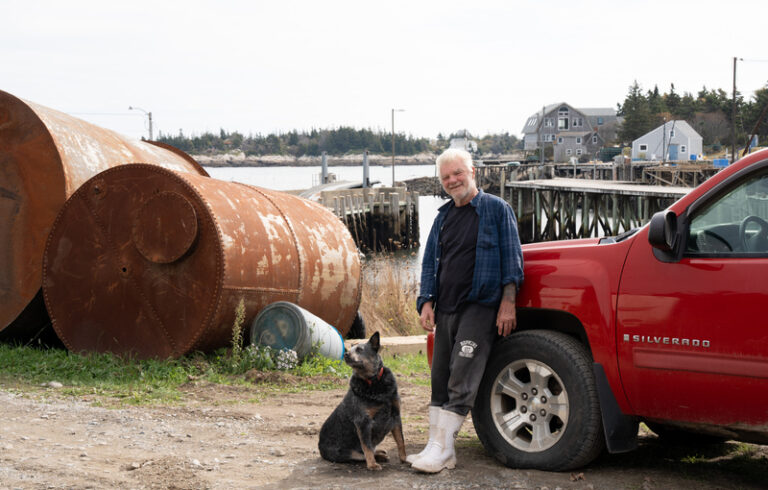
Settling into climate work on Chebeague Island

Reflections is written by Island Institute Fellows, recent grads of college and master’s programs who do community service work on Maine islands and in coastal communities through the Island Institute, publisher of The Working Waterfront. Island Time goes by in a strange way. Since moving to Chebeague Island with my… SEE MORE

Working Waterfront

York County rebuilding dunes

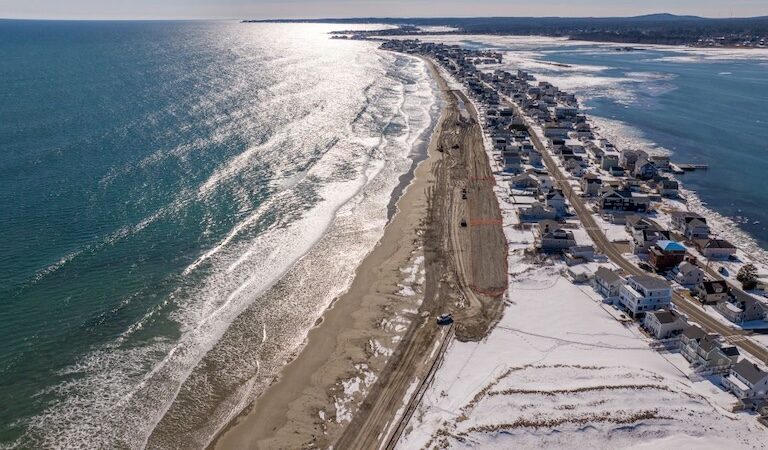
A crew guided a York County barge equipped with a giant sea vacuum across the waters of Wells Harbor in late February. One contractor nudged the so-called dredge in a tiny tugboat. Another manned the equipment, which sucked up sand from the seabed. Still more workers maneuvered a more than… SEE MORE

Working Waterfront

From energy planning to project implementation

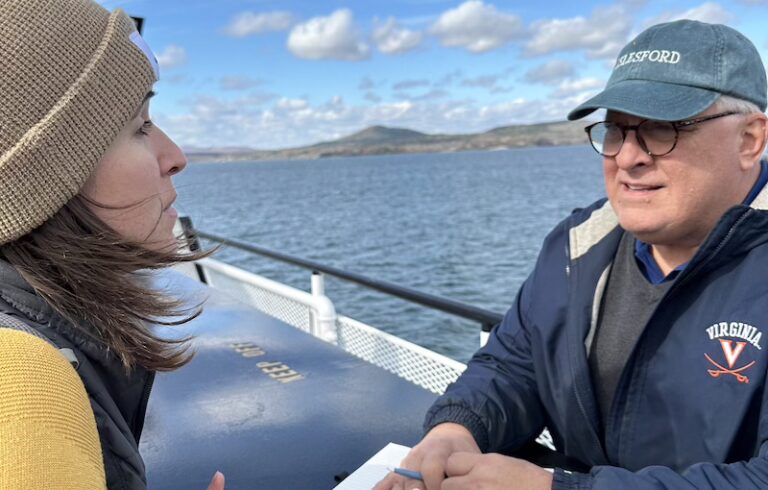
Name: Kate Klibansky Title: Senior Community Development Officer Focus: I lead the work of Island Institute’s Resilient Energy team on a federally funded program that supports improving energy reliability, resilience, and affordability for rural, remote, and island communities across the Northeast. In this photo: I am chatting with Alden Hathaway,… SEE MORE

Working Waterfront

Climate work goes mainstream

Earlier this fall, I took the train down to New York for a few days to join in on Climate Week—a collection of events organized by the non-profit Climate Group in service of reaching net zero by 2050. The sessions were spread out all over Manhattan, so I spent three… SEE MORE

Working Waterfront

Rising seas require long-term planning, experts warn

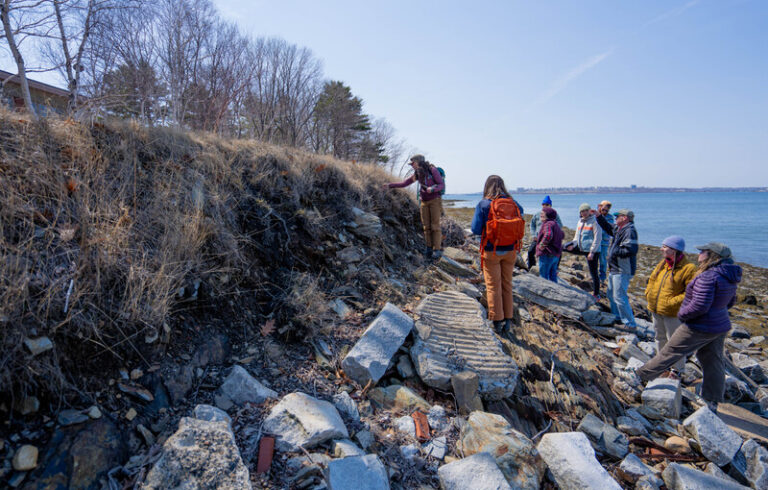
Sea level rise will accelerate in the decades ahead, and coastal communities should act now to assess risks and identify solutions for the long term—generations or even a century or more into the future. That was the message delivered by the keynote speaker at the fourth annual SOS Saco Bay… SEE MORE

Working Waterfront

App tracks coastal change, flooding

Anyone living near the ocean knows the coastline changes often with the tides and the seasons, and that it can be difficult to keep track of the coast’s “normal” appearance. With climate change, it becomes even more difficult to distinguish between the normal historical flux of the coast and a… SEE MORE