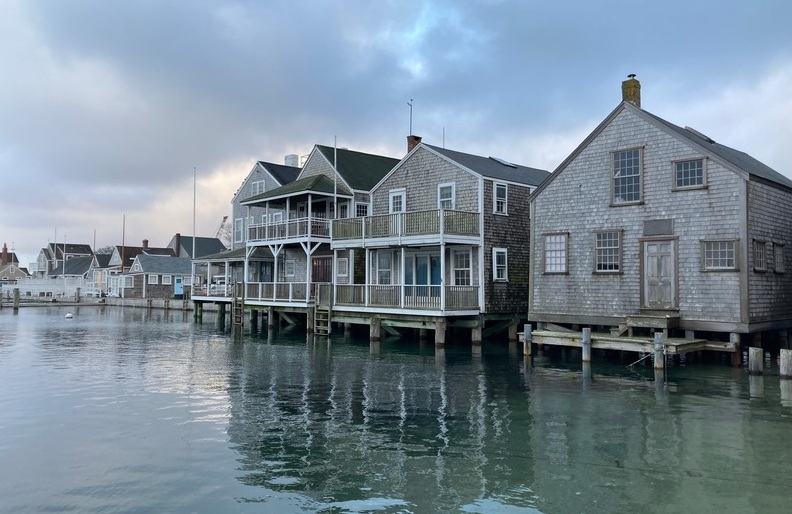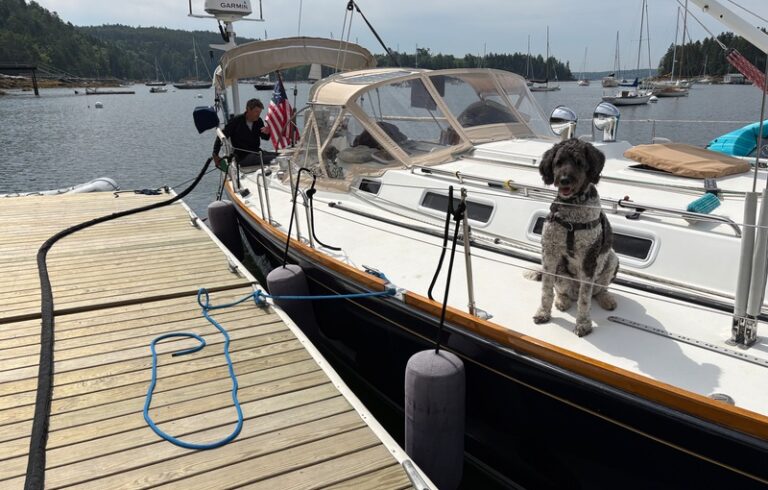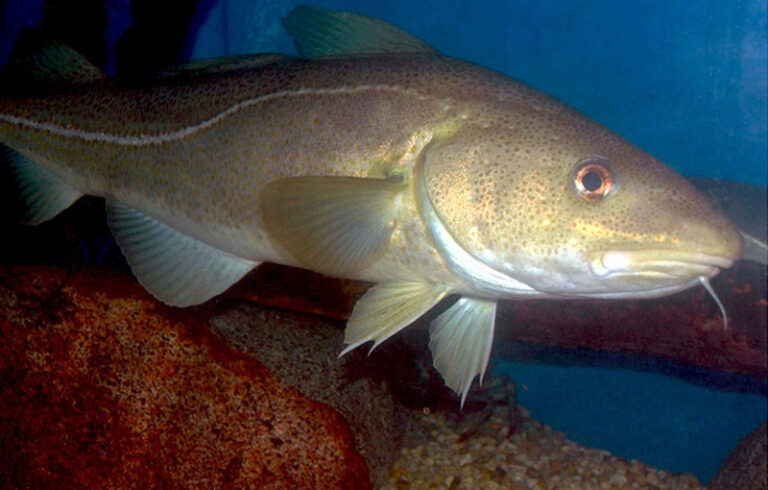
There are times when I wonder if Nantucket Island, where I have lived and worked for the last twelve years, faces an impossible situation. Thirty miles south of mainland Massachusetts, Nantucket’s character is eroding under extreme development pressures. They aren’t making any new land out here; more and more of it is submerged at high tide. What land remains is worth an astounding amount.
Once known the world over for its role in the American whale fishery, Nantucket’s booming economy crashed in the 1850s when whaling died out. The next couple of decades were quiet, difficult years on the island. Few new buildings were constructed; once grand whale-oil merchant and sea captain’s homes sat empty, untouched by modernity. Poverty aids preservation. It wasn’t until the later part of the 19th century that city-dwellers began to “discover” Nantucket, and the island woke up from its foggy slumber.
What happened next is what happens in most every beautiful coastal place: first come the fishermen, then come the artists and bohemians, then come the tourists and real estate developers.
Most of my working life on Nantucket has been dedicated to local history and historic preservation. Nantucket earned the dubious distinction of being named to the National Trust for Historic Preservation’s 11 Most Endangered Places in 2000.
Waterfront property is at a premium here, and no address is more desirable than Old North Wharf, just off the Easy Street boat basin. Originally built in the 1770s, the Wharf first supported the whaling industry and, later, commercial fishing ventures closer to home. Today, most of its cottages are outrageously valuable tiny trophy homes, some assessed at more than $10,000 a square foot.
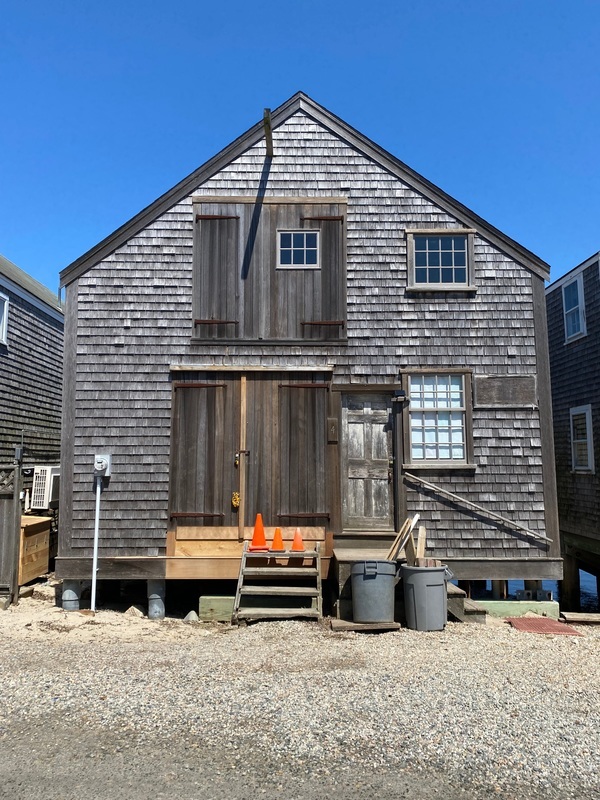
One lone working building remains, the Mitchell-Andrews fish house, constructed c. 1847. Originally a carpenter’s shop, later a fish house, and today a shanty where scallops are opened from Nov. 1 through March 31, this building is the last sliver of the working waterfront on the Wharf. The shanty’s natural beauty is unmarred; it smells of fish even when none are present. When Ginger Andrews, the shanty’s owner and steward, walked into my office in December 2023, and said it was about time she put a preservation restriction on the place, I knew I couldn’t leave this job until the restriction was recorded.
Ginger comes from a long line of islanders. Her mother was an ornithologist, and she inherited a naturalist’s reverence for birds along with her uncle George Andrew’s shanty. She is a close observer of the world, and some of her best advice to me is rooted in this practice: when you find yourself in an impossible situation, you have to keep looking.
Preservation restrictions, or easements, are voluntary legal agreements that perpetually protect the character defining features of a building, interior and exterior. The easement is an enforceable instrument, and travels with the deed of a building, no matter the owner now or in the future.
Ginger wanted to protect more than just the architectural form of the building. She sought to preserve a way of life. Were she to sell the shanty without an easement, it would most certainly become another confection: scrubbed up, straightened out, fancied up. The shanty is not a high-style building; its significance is found in simplicity. You can see the passage of time in its weathered shingles and glass worn smooth by wind and salt spray. There is not much original fabric here, and as the building has been in a near-constant state of use since the 1840s, standing on piers over tidal land, it has been in a near-constant state of repair.
Massachusetts does not have a program like Maine’s Working Waterfront Covenant, but public access to waterways and tidal lands is protected under Chapter 91 of Massachusetts General Law. To protect the shanty itself from future insensitive development, we had to look for a creative solution.
Ginger wanted to ensure that the shanty would never be taken out of operation as a commercial building, and wanted to support the fishery and the artists who followed. In creating this preservation restriction, we wrote in a condition that would require approval to change the use of the building to one “other than institutional, educational or commercial enterprises that reflect, commemorate, or continue Nantucket’s historic maritime economy or its historic artists colony; such uses may include, but are not limited to marine-related services, non-residential art studios, or art gallery.”
For an agreement between a homeowner and a preservation society, there are a lot of outside reviews involved. In addition to the approval of the Massachusetts Historical Commission at the state level, Nantucket’s Select Board had to sign off on this easement. I worried that they would not—certainly, restricting the development potential of this building in a highly desirable location would bring down the assessed value, and therefore, the taxes an owner would pay to the town. But the town signed off on the restriction, and my hope is that they, too, understand the value of the working waterfront to Nantucket’s economy.
While it is true that Nantucket has lost quite a bit of its grit in the last 50 years, it is not all bad news here. There is still a bay scallop fishery. Despite the extreme cold this winter, 20 scallop boats were fishing, hitting their 6-bushel limit most days before noon. The annual bay scallop harvest was over 8,000 bushels for the first time since the 2019-2020 season.
The story of the Mitchell-Andrews shanty drew attention from members of the island community near and far. Folks on the Wharf donated money to support the easement program, and a family in Texas even sent a donation to help offset the costs of managing the shanty’s restriction. Researchers came to study the shanty and imagine its future.
Using the available laws to preserve access to the commercial waterfront and its structures is something those tasked with preserving history in coastal towns should look into. Preservation is about far more than buildings; it is about people and ways of life. When I see the scallopers leave in the early morning in winter, or hear the openers chatting with each other in the early afternoon, I know that scalloping is a very real link to our past. We have to keep working and planning to ensure commercial marine industries remain part of our future, and not just a page in the history books.
Mary Bergman was the executive director of the Nantucket Preservation Trust from January 2020 until May 2026. She is a freelance writer and researcher living on Nantucket.