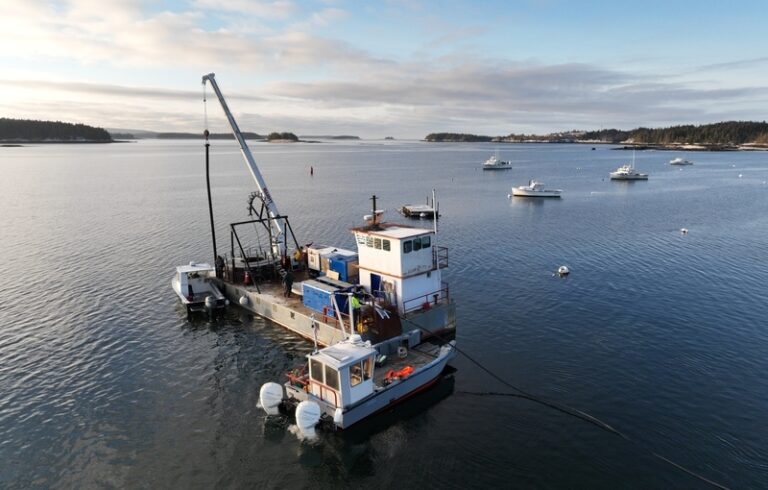
Matinicus Isle Plantation, located 20 miles out in the Gulf of Maine, is the furthest offshore year-round settlement on the East Coast of the U.S. In recent years, threats linked to climate change—sea level rise, accelerating erosion, and intensifying winter storms—have begun to push the community’s limits.
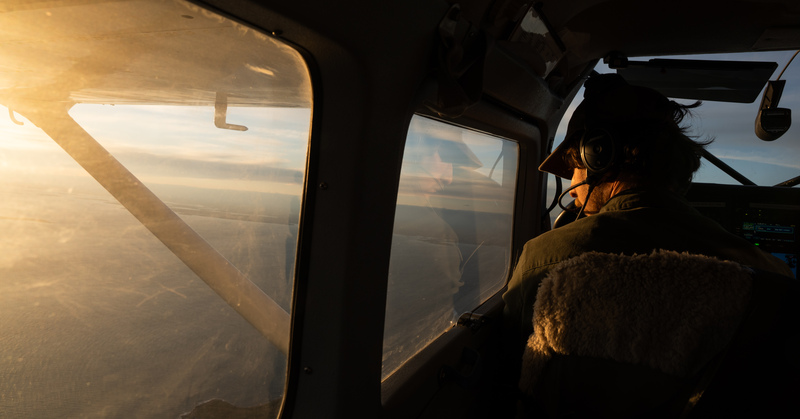
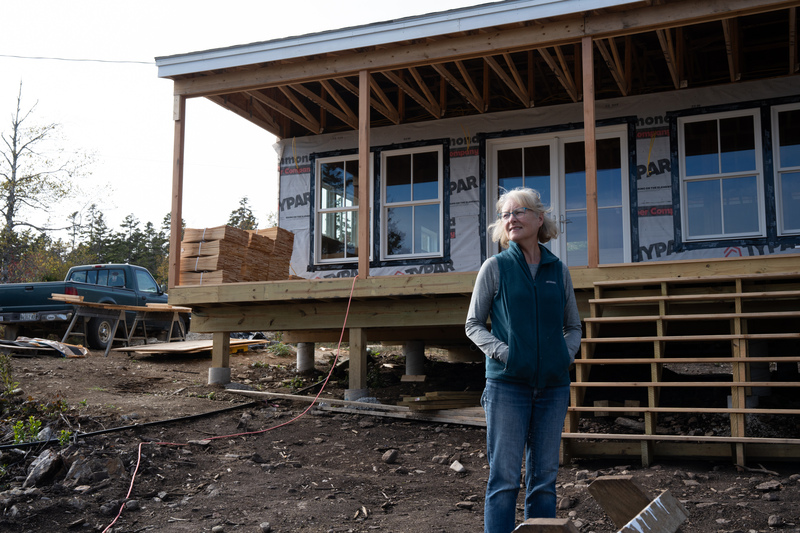
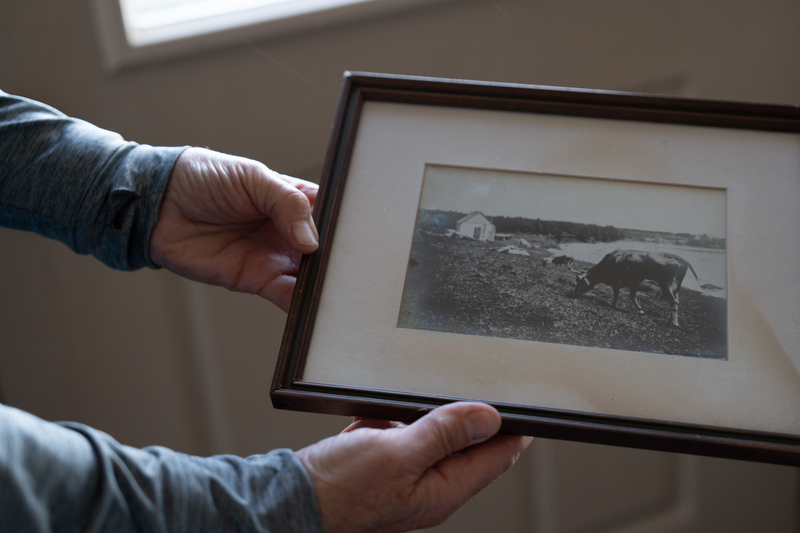
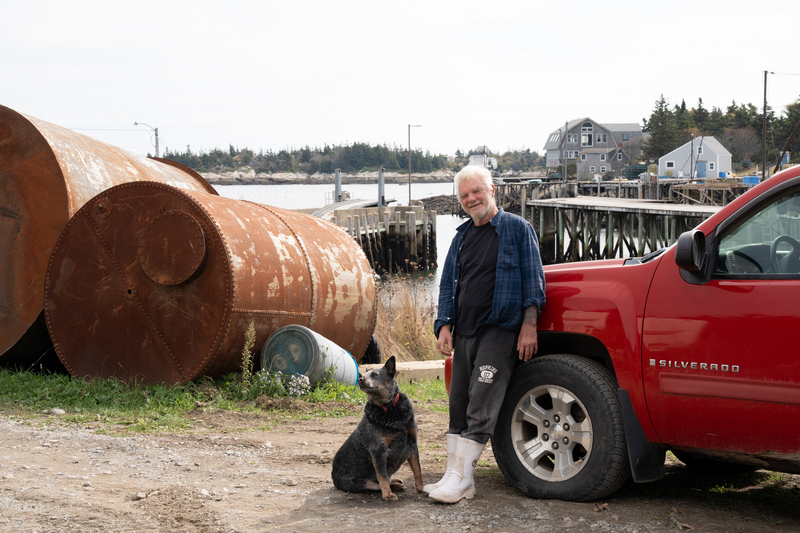
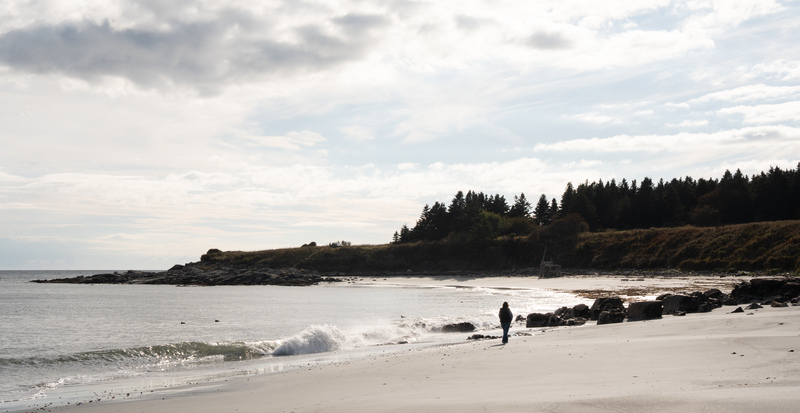
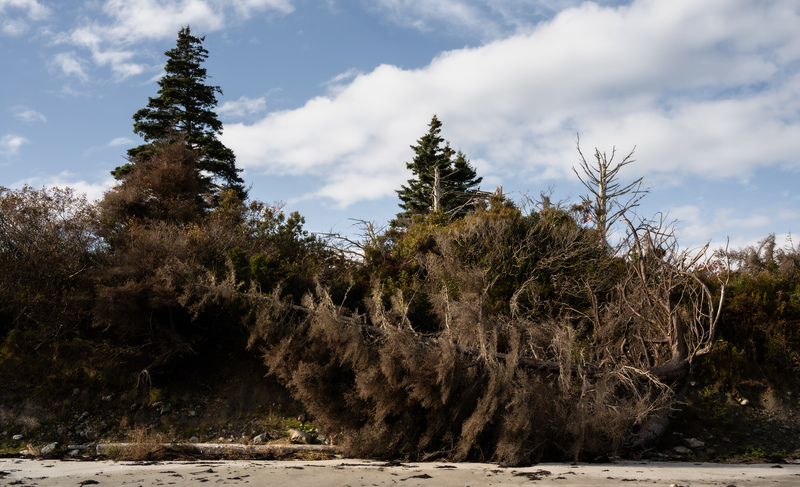
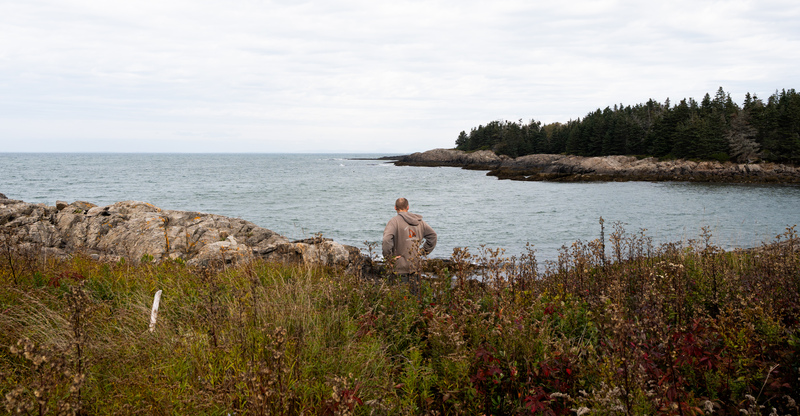
I visited Matinicus last October as the island’s residents prepared for the winter, when the weather worsens, and the population drops from around 150 to roughly 20. Though the 2025 storm season had been relatively mild, memories of the severe back-to-back storms that hit coastal Maine in January 2024 were still fresh. Storm surge at high tide, exacerbated by sea level rise, had rushed further inland than anyone had expected, damaging historic structures and destroying one home.
Though the island’s challenges are daunting, the forward-looking community has invested in resilient infrastructure, like satellite internet and a state-of-the-art solar and diesel power generation system. The plantation also received a 2024 state grant to reinforce the “Steamboat Wharf,” where the ferry service docks.
Calvin Kenjiro Grover is a Maine and New Jersey-based photographer and filmmaker.
What TO Read Next...