The Fathoming column has long served to bridge complex marine science with local coastal knowledge. This one has been guest-written, in recognition of the important role that many organizations play in this effort.
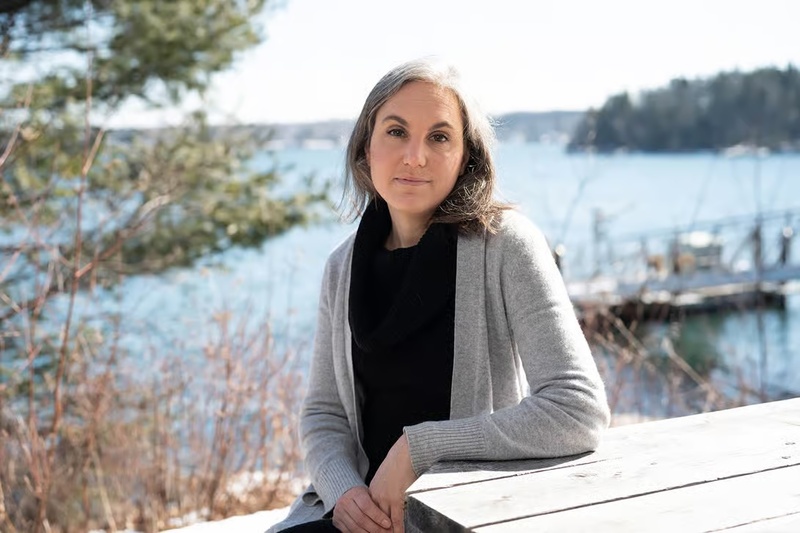
A few weeks ago, I had the privilege of becoming the inaugural director of Colby’s Center for Resilience and Economic Impact in Port Clyde. Since then, one question has come up repeatedly: “What is this Center all about?”
My answer is simple.
It’s about helping rural Maine thrive for generations to come.
There is no better place to begin this work than Port Clyde. A working waterfront brings together many of the opportunities and challenges facing rural communities. It is where our state’s economy, natural resources, heritage, and sense of place all meet. While rooted in Port Clyde, the Center’s mission reaches beyond the shoreline. What we learn will help strengthen rural communities across Maine, from fishing villages to farming communities, and could act as a beacon beyond the state’s borders.
That work starts with listening.
During our recent opening celebration, I saw fishermen talking with scientists; business owners talking with students; nonprofit leaders, municipal officials, and neighbors exchanging ideas. They didn’t agree on everything, but they shared something more important: a commitment to community, a passion for their collective history, and a willingness to work together toward a resilient future.
That gives me hope because the strongest solutions are built by forming strategic partnerships, strengthening existing momentum, pooling resources and knowledge, and identifying new challenges to face together.
I’ve come to understand resilience both personally and professionally. Before moving to the Midcoast 12 years ago, my husband and I lost our home in California’s Tea Fire, along with more than 200 other families and businesses. The only piece of our home left standing was the wood stove; all else was ash. I understand firsthand how devastating and shocking a fire can be, like the one that destroyed the Port Clyde General Store and Dip Net restaurant, where the Center has just started reconstruction.
My experience taught me recovery is about much more than replacing what was lost. It is about helping people regain identity, stability, opportunity, and confidence in the future. I am grateful and honored for the opportunity to help a community in the way my own family was helped.
Throughout my career as a marine scientist, my personal definition of resilience has come to include three essential parts. My graduate training focused on ecological resilience: the ability of an ecosystem to recover its purpose and function after a catastrophe, like a forest regrowing after fire, or a fishery recovering from collapse.
But my professional experience within Maine’s aquaculture industry has taught me the importance of economic resilience, especially on the working waterfront. I define this as the opportunity for the next generation to earn a thriving wage, even as markets, technology, and environmental conditions change.
Governance resilience is the third critical leg of the stool. Communities strengthen when governments respond effectively, policies are informed by local experience, and good information is easy to access and understand.
The Center can help bridge the gap between research and decision-making by translating science into plain language and ensuring rural voices are heard.
Building resilience means supporting the industries that define Maine and its natural resources, while creating new opportunities for young people to stay, families to grow, and businesses to succeed. It means building a future-ready economy without losing the character that makes rural Maine special.
I hope this Center can play that role.
Not by arriving with all the answers, but by asking the right questions. By listening carefully. By connecting people who might not otherwise meet. By launching local ideas into practical action. By employing student energy to assist the vivacious entrepreneurs in Maine to reinvent as needed in the face of change.
Over the coming months, I look forward to spending time on docks and farms, in small businesses, at town meetings, and around kitchen tables. Those conversations will shape this Center far more than anything written in an office.
Ultimately, I believe resilience is measured by what we leave behind. If our work helps ensure that our children and grandchildren can build lives, businesses, and communities in rural Maine, then we will have succeeded.
That is the future I hope we can build together. It is the future I want for my two daughters.
The pace of progress of the Center is fundamentally determined by the speed and breadth of community trust.
Visit the Facebook page of the Center for Resilience and Economic Impact to learn more about its work, engage with its team, and stay up to date about summer activities.