Reflections is written by Island Institute Fellows, recent grads of college and master’s programs who do community service work on Maine islands and in coastal communities through the Island Institute, publisher of The Working Waterfront.
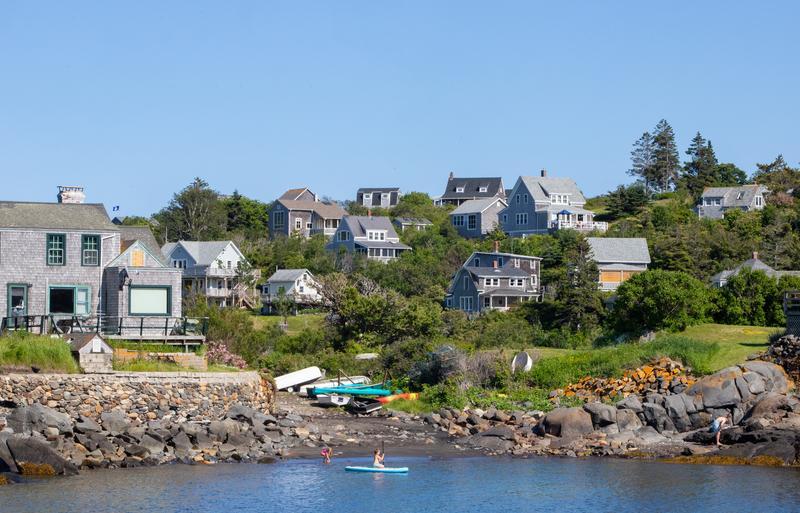
On Monhegan, everything comes back to the sea. Hope, joy, and sustenance are linked to the ocean, literally and metaphorically.
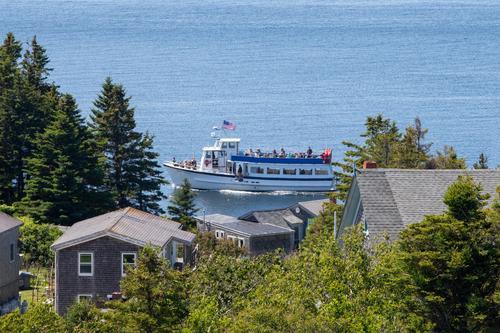
The fishery revolves around ocean conditions and revels in a good catch day. The postmaster and businesses await the mail boat, delivering personal mail and cargo for business operations; trash is collected by a dump-truck arriving on a barge.
My work, which focuses on the wharf and breakwater infrastructure projects, means the ocean is continuously in my thoughts.
Opening my eyes in the morning, I am aware of the ocean. From the window in my bedroom, from the dining room table where I drink my morning coffee—or the porch on warmer days—I can see the ocean. It is rough beside the small island of Manana and more gentle in the harbor that separates it from Monhegan.
The smell of salt and seaweed permeates my clothing as it hangs on the line. The wind whips through my hair, turning a warm day into a crisp one or a cold day into a biting one.
It even extends to our recreation. Even those who make their living on the water love to explore, whether on the water in small boats or on foot to see the waves crash against the cliffs. Venturing inshore for a weekend away hinges on the ferry being able to run in ocean conditions.
All our island lives are defined by the ocean.
The ocean creeps into our vocabulary. In a meeting on affordable housing, a resident described the prioritization of housing over other issues thusly: “It’d be one thing if our head was above water—but it’s not.”
The metaphor for the lack of affordable year-round housing adds to the literal understanding that waterfront buildings are on the front lines of sea level rise. The combination paints a picture of the community’s long-term viability at risk.
This sentiment can be applied more literally to the working waterfront. The wharf regularly gets overtopped by water in storms, washing out the gravel surface. Storms like those in January 2024 underscore the need for increased resiliency in the face of changing climates and rising sea levels.
The fishermen need a wharf for operating their businesses; we all need the protection that a better breakwater would give the harbor so safe landings at the wharf are a matter of course rather than weather dependent.
We can scrape by and keep refilling the gravel as it gets washed away, just like community members patch together unstable and inadequate housing situations. But the reality is that these problems are only going to get worse without big changes.
The fears of a community going underwater can only be alleviated by forward-thinking problem solving; we need to dedicate time and energy to swimming rather than treading water. We need to build our community up, literally raising our waterfront infrastructure and building new housing stock, to create a future for Monhegan where the emphasis is on joy and hope, not fear and scarcity.
This work is being done. That’s why I’m here. The Monhegan Island Sustainable Community Association has been working on the housing crisis for years, and that work will continue long after I’m gone. Municipal leadership has kicked off projects for the wharf and the breakwater, understanding the long road ahead but the necessity of getting started now.
What remains is for those of us here temporarily or watching from inshore to help plug the holes in the proverbial ship, to lend capacity to the community wherever we can. That way the community can have the space and energy to move forward—and up.
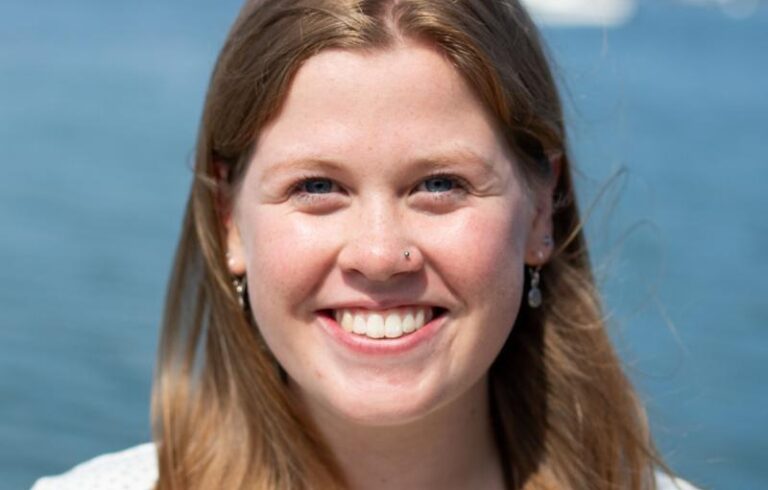
Elizabeth Dudley is assisting the Monhegan Plantation with a working waterfront resiliency project as it redesigns the public wharf and breakwater. She also works to create more year-round affordable housing on the island.