This piece originally ran in UMaine News.
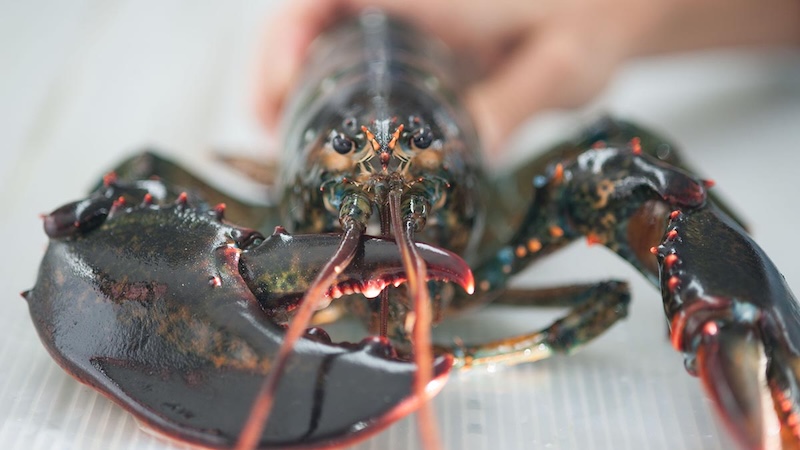
A steep drop in baby lobsters provided an early warning of the sharp decline in adult lobsters along the Midcoast, a new University of Maine study shows.
Researchers found that an 80% decline in baby lobster sampled from 2010 to 2022 was followed by a 70% decline in young lobsters since 2015 and a 50% decline in adults large enough for lobstermen to catch. The findings trace the losses through successive life stages, showing how fewer baby lobsters preceded fewer adults available to the fishery.
The Midcoast, defined as ranging from Brunswick to the Schoodic Peninsula, is where researchers recorded the steepest declines in the Gulf of Maine. Those losses followed a period of growth, when the number of lobsters sampled doubled from the 2000s to the 2010s.
The Gulf of Maine’s overall lobster population has declined since the mid-2010s, with implications for a fishery that generated more than $461 million in Maine landings in 2025.
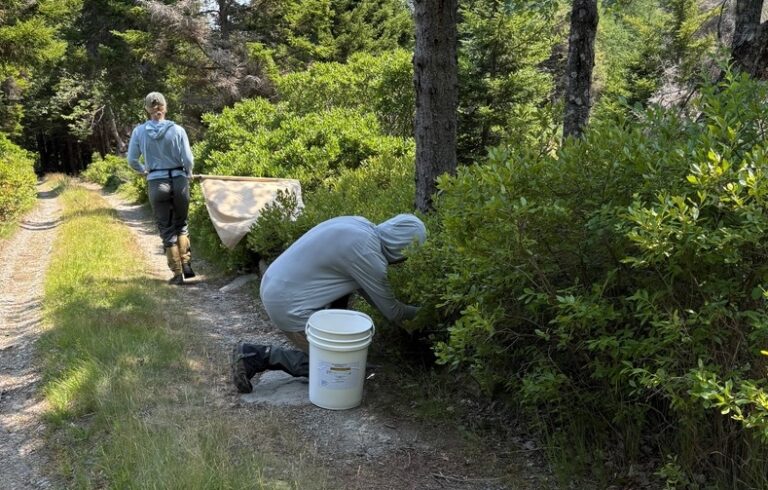
UMaine researchers worked with the Maine Department of Marine Resources to analyze state surveys that used scuba divers, traps, and trawls to sample lobsters at different life stages and depths. Their findings were published in the journal Marine Ecology Progress Series.
Comparing those surveys revealed the pattern of declining numbers from baby to young lobsters to adults. The study classified young lobsters as those with shell lengths of 45 to 83 millimeters.
“Central Maine showed the clearest links among baby, adolescent, and adult lobsters across surveys driven by the boom and then decline in lobster abundance in the region tied to warmer water temperatures,” said lead researcher Robert Jarrett II, a recent Ph.D. graduate who began the study during his time at UMaine. “Faster growth there also creates a more consistent signal than in eastern Maine, where slower, variable growth likely makes the signal harder to detect.”
Downeast experienced a similar decline in the number of baby lobsters sampled since 2010, but a smaller decline among adults. Trends among adolescents varied by survey.
Researchers said fewer sampling efforts in Downeast could help explain the differences between the two regions.
Warming waters also have made deeper habitats more suitable for lobsters in Midcoast and Downeast. That shift can complicate efforts to track population changes because surveys cover limited areas and habitats, according to researchers. Previous research found that lobster population density declined as lobsters became more dispersed and changed the habitats they occupied.
“Maine DMR is invested in a comprehensive, coastwide lobster monitoring approach and leads multiple surveys to study lobsters across their full life cycle,” said study co-author Kathleen Reardon, senior lobster fishery scientist with the department. “Collaborations with the fishing industry make these surveys possible, and collaborations with UMaine researchers supplement the findings of the stock assessment analyses and aid us in synthesizing these large datasets into tangible insights about the future of the Gulf of Maine lobster resource.”
In Southern Maine, meanwhile, the number of lobsters sampled across all life stages has remained relatively stable since 2010, according to the study.
Unlike in the other regions, cold water doesn’t circulate from the depths to the surface in Southern Maine. As a result, deeper waters remain too cold for lobsters even as water temperatures rise, and the territory in which they can reside remains unchanged.
The study affirms that baby lobsters serve as an indicator for the fishery, as their decline preceded decreases in adolescent lobster populations in the Midcoast and Downeast. It follows another recent study that examined a preferred food source for baby lobster amid declines in young lobster survival and the availability of that food source.
Researchers also said differences in survey methodology, coupled with lobster behavior and habitat preferences, can influence the results and hamper scientists’ efforts to track and interpret population changes.
“American lobster may be one of the most data-rich fisheries in the world. However, even with the abundant data, we are continuing to expand sampling efforts to effectively support our sustainable fishery and understand how it will be impacted by future environmental changes,” said Jarrett.