
2025 brought big moments on Maine’s coast, and Island Institute had the privilege and pleasure of capturing many of these stories. To mark the new year, we’re highlighting the most-viewed stories of the past year—your favorites from 2025.
These stories span Island Institute’s reporting and storytelling, from in-depth features in The Working Waterfront newspaper to short-form videos, each reflecting the voices and moments in time of Maine’s coastal communities.
As we turn the page and look ahead to the new year, we want to thank you for being a part of our story and for caring about our coast and the people who call it home.
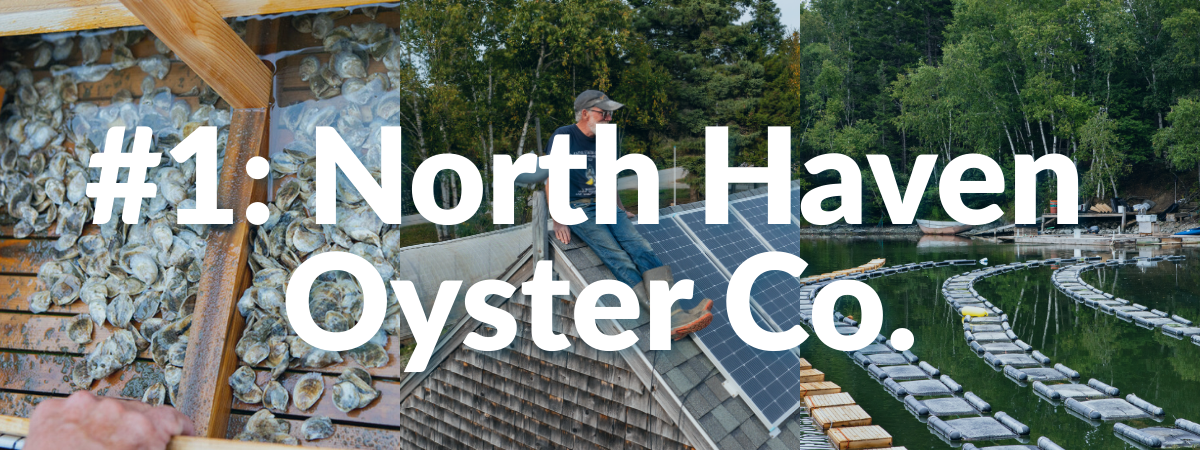
A long-time partner of Island Institute, Adam Campbell, owner of North Haven Oyster Company, has grown his business substantially over the last 25 years. He employs locals on the island, stewards his watershed, and teaches other marine entrepreneurs that aquaculture is a sustainable way to make a living on the water. In partnership with Island Institute, North Haven Oyster Company has taken big strides towards renewable energy.
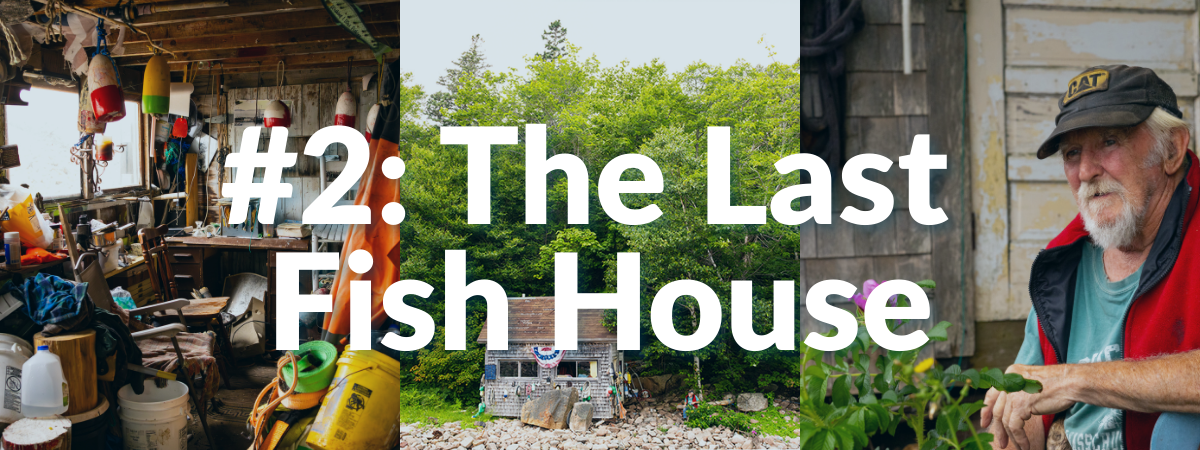
On Mount Desert Island, on the western shore of a once-bustling working waterfront harbor, sits the last fish house on Otter Creek. Steve Smith, a longtime resident of this historic fishing village, shares his decades-long battle with the Acadia National Park to preserve his village’s working waterfront heritage.
They’ve been picking away at us,” Smith says, “stealing one piece after another for over 100 years. They’ve almost taken our waterfront, but they won’t as long as I’m alive.”
READ THE ISLAND JOURNAL ARTICLE
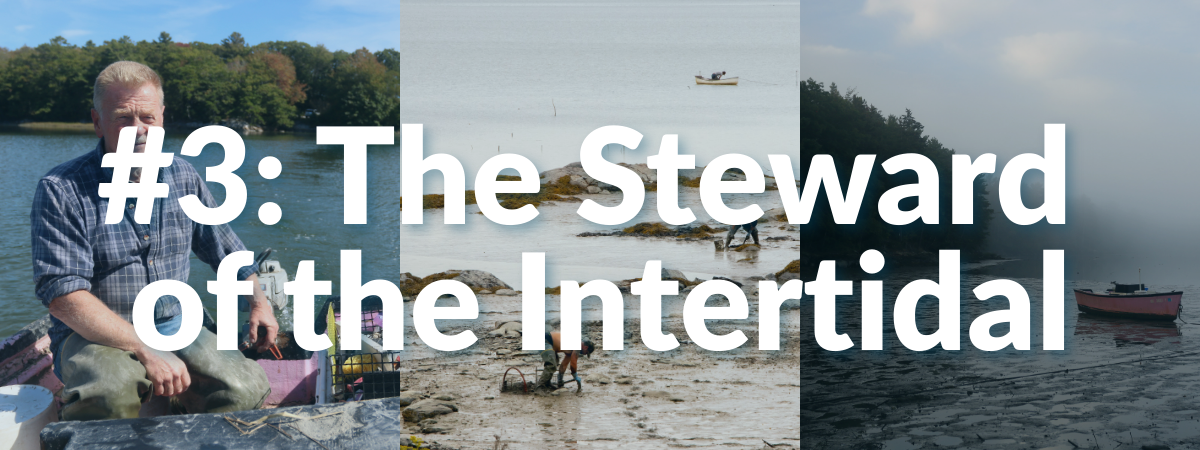
Island Institute Fellow Kate Cart spent a day on the flats with Phippsburg clammer Terry Watson, capturing his wisdom, stories, and deep connection to Maine’s coast in The Steward of the Intertidal. She says:
“Terry grew up here, in Phippsburg. He’s sixty-eight. Which is to say, Terry has sixty-eight years of knowledge, encompassing ecological, social, and regulatory fluctuation. He’s a storyteller. The stories are about the currents, weather, the systems and cycles we live within, so vast folks don’t always see them. Of the growing difficulty of communication–local and statewide–he says, ‘Everything is on a pendulum. Right center is where you want it. It doesn’t stay there long. It’ll come back.'”
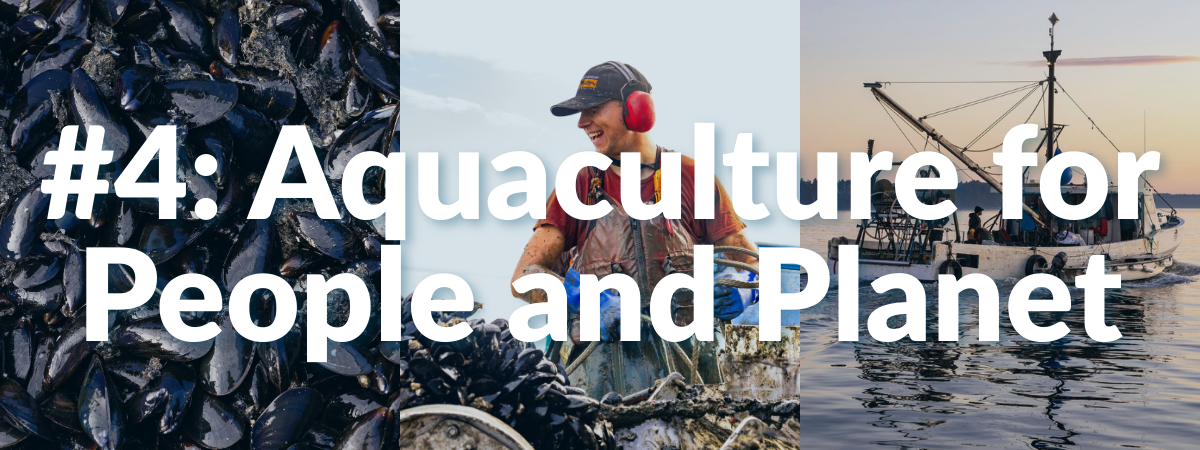
Island Institute’s latest Climate of Change film, Aquaculture for People and Planet follows Bangs Island Mussels, a Portland-based sea farm, on their mission to lower their carbon footprint, boost resilience, and grow a thriving, sustainable seafood business.
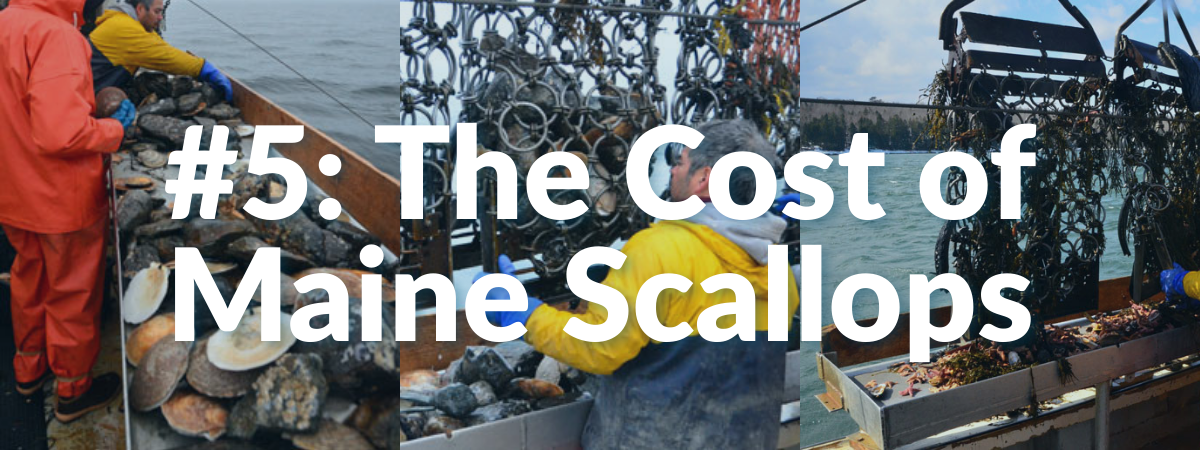
Most consumers can’t get scallops that really are “right off the boat” unless they live in the Midcoast or Downeast and, perhaps, know a fisherman. For those with the opportunity, it’s well worth a drive down to the harbor to buy a gallon or two of freshly shucked scallops when the boats come back from fishing.
Stephen Rappaport breaks down the historical and present conditions that drive the cost of fresh scallops in Maine. From a short harvest season to dangerous conditions to unique regional fishing practices, the often hefty price of Maine scallops is shaped by a number of factors.
READ THE WORKING WATERFRONT STORY
Stay up to date on our latest stories from Maine’s coast by subscribing to our newsletter!

