
NOAA ’bout it! Speak up about it!
Federal funding that supports Maine’s coast is at risk.
When you think of the National Oceanic and Atmospheric Administration (NOAA), you may think of weather forecasts, but its impact goes far beyond predicting storms.
The proposed federal budget would slash NOAA’s funding by $1.6 billion, jeopardizing many of the programs Maine’s coastal communities rely on.
Speak up to show policymakers what these critical investments mean for Mainers.
SHARE YOUR VOICE TO PROTECT NOAA FUNDING
.
.
Why NOAA Matters to Maine
NOAA supports Maine’s coast through science, data, research, and partnerships that help communities make informed decisions, strengthen the marine economy, and prepare for a changing ocean. Working with states, communities, universities, and organizations, NOAA provides funding, expertise, and national resources that partners apply to Maine’s unique needs. The proposed funding reductions could affect the programs that communities, businesses, researchers, and state agencies rely on every day.
Programs at Risk
The proposed 2027 federal budget would significantly reduce funding for many of these partnerships and grant programs.
MAINE SEA GRANT
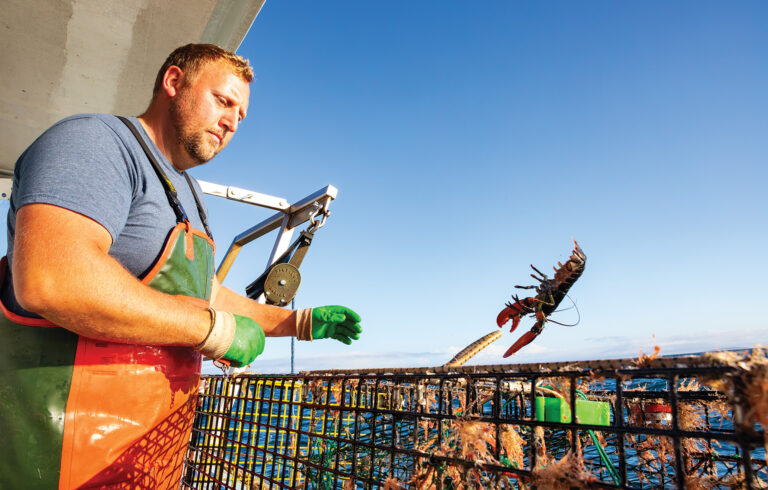
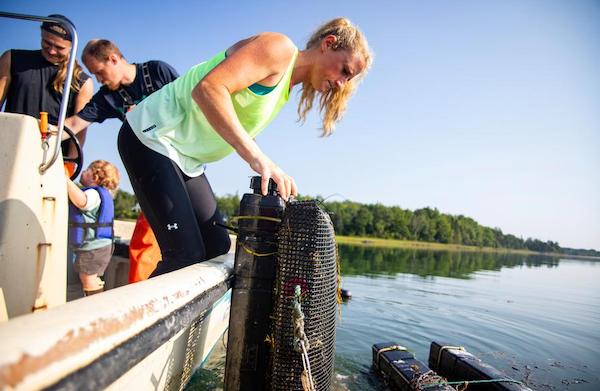
Maine Sea Grant connects research with practical solutions through applied science, education, workforce development, and technical assistance. In 2024, the program helped generate an estimated $20.2 million in economic benefits, supported 489 jobs and 283 businesses, improved resilience in 60 communities, and helped protect more than 5,300 acres of coastal habitat.
Coastal Zone Management
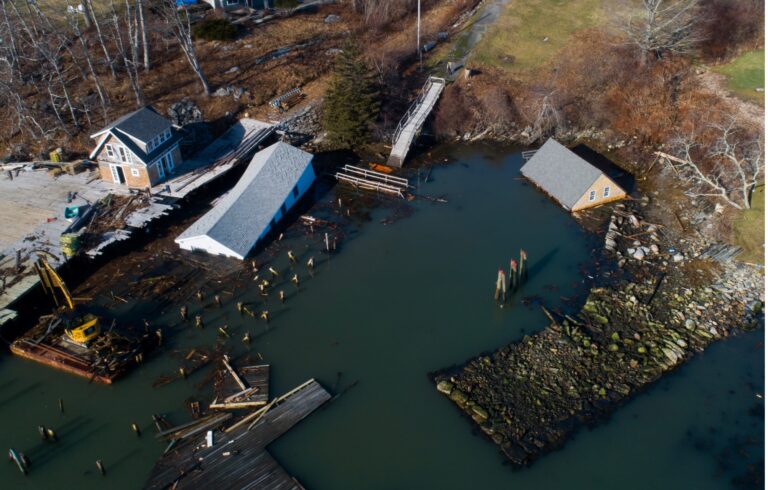
Administered in Maine through the Office of Community Affairs, this program helps communities protect working waterfront access, strengthen coastal infrastructure, and prepare for flooding, erosion, and sea level rise. It also provides technical assistance and resources that support local planning.
Ocean Science & Fisheries Management
NOAA supports the research, monitoring, and data that help Maine understand a changing ocean and sustainably manage fisheries across state and federal waters. NOAA also tracks marine species like North Atlantic right whales, helping scientists understand where they are—and importantly, where they are not. This information helps inform conservation efforts and decisions affecting Maine’s fishing communities.
Maine marine Patrol
NOAA provides funding support for fisheries enforcement, including four Maine Marine Patrol officer positions. These officers help carry out federal fisheries regulations in offshore waters and support sustainable fisheries management.
Island Institute Is Taking Action
Island Institute’s deep relationships and policy expertise help bring local knowledge, science, and community priorities into the decisions that shape Maine’s coast. Through our policy work, we connect coastal experiences and data with decision-makers in Augusta and Washington, D.C. Your stories help show how NOAA-supported programs affect real people—not just budgets. Throughout this campaign, our policy team will share your stories to advocate for the federal investments in NOAA that strengthen Maine’s coast.
 MEET OUR POLICY TEAM
 MEET OUR POLICY TEAM
As Island Institute’s Chief Policy and External Affairs Officer, Nick Battista provides proactive and strategic policy support across the organization and increases our effectiveness in engaging policymakers. He helps identify and take advantage of opportunities to help set the policy agenda at the state and federal levels; advocates for changes to government policy, funding, or regulations that would further community outcomes and help achieve organizational impact targets; and supports the implementation of policy so it better accounts for the concerns of island and coastal communities.
Reach out to Nick at nbattista@islandinstitute.org.
.Your Neighbors Are Speaking Up
Mainers up and down the coast are sharing why NOAA funding is critical to a vibrant coastal future. Click the pins on the map to view stories and add your story to the map to make your voice heard!
What’s your NOAA story?
Help us show decision-makers that our coast is more than a line on a map — it’s our home, livelihood, and way of life. You’re invited to share anything that demonstrates why NOAA matters to Maine. Here are a few ideas:
- Tell us about a time a NOAA weather alert, buoy data, or nautical chart helped you navigate a challenging day on the water.
- Do you check the tides, marine forecast, or ocean conditions before traveling off or onto an island? Before a day of swimming, boating, paddling, or surfing on the coast? Share an example.
- Write about a friend, family member, or neighbor whose livelihood is connected to the ocean.
- Share a photo of a favorite coastal place and tell us why it matters. What memory, tradition, or experience reminds you why the Maine coast is worth protecting?
.
Stay Informed on Ocean Science and Follow Updates on NOAA in The Working Waterfront Newspaper
The Working Waterfront is covering the proposed NOAA funding changes and what they could mean for Maine’s coastal communities, marine economy, and working waterfronts. Stay tuned for updates as the federal budget process continues by subscribing to The Working Waterfront E-Weekly email list.

A threat to NOAA’s funding for states
Island Institute's Nick Battista details how NOAA funding benefits Maine and what cuts would mean for the coast.
Gulf of Maine temperature shift renews acidification questions
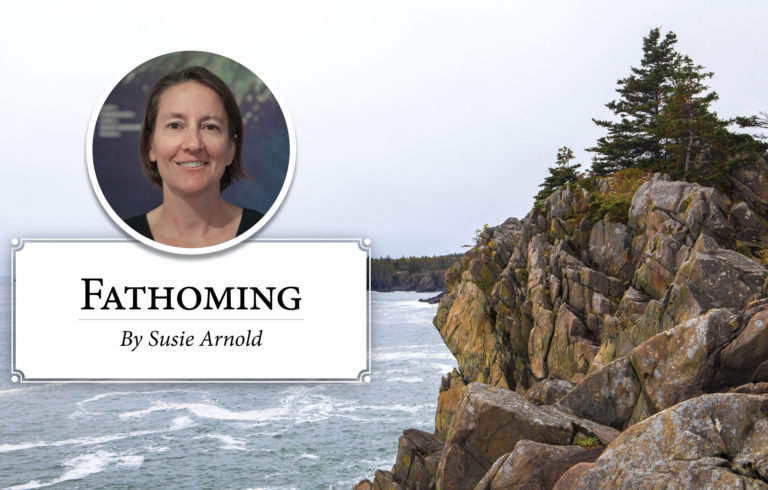
Island Institute's Susie Arnold underscores the importance of long-term monitoring of the Gulf of Maine in this article exploring if ocean acidification is affecting mussels.
Check back for more stories
We will be sharing more updates on the proposed cuts to NOAA and the importance of these programs.
Climate Solutions
Explore how Island Institute is helping coastal communities navigate the impacts of climate change with innovative solutions.
Learn moreMarine Economy
Explore how Island Institute is strengthening coastal livelihoods and supporting Maine’s working waterfront.
Learn More