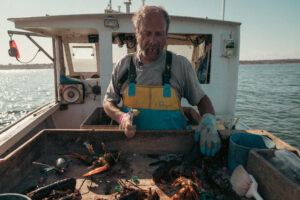
On Matinicus, an island located roughly 22 miles off of Maine’s coast, unreliable access to power has made day-to-day life more difficult for generations. This documentary, produced by CIC USA, follows the story of a community-led commitment to upgrading Matinicus’s energy system from a failing diesel generator to a microgrid primarily powered by solar and hybrid supercapacitor energy storage, saving the community an estimated 23,000 gallons of diesel each year.
“Generating electricity with diesel power—particularly on an offshore island where you have to take the diesel from the mainland in a boat to the island and store it—starts to get really expensive, really fast. And it creates a level of uncertainty and unpredictability for the community.”
— Nick Battista, Island Institute
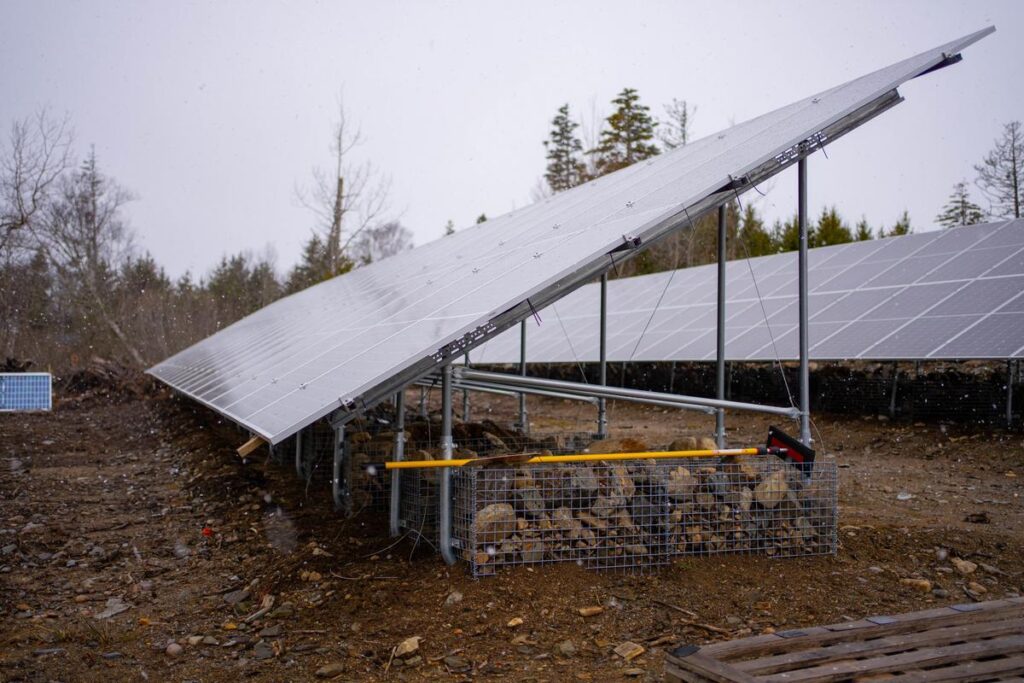
Hear from Matinicus resident Phil Davies, who was motivated to improve the island’s energy system to bring more stability and growth to the island so future generations, like his son, can thrive there. Making that vision a reality took a community effort. Phil coordinated the project and the construction. Since concrete is difficult to transport and pour on the island, Phil, his 8-year-old son, Archibald, and other community members dug the rocks used to anchor the solar array foundations. It was a herculean effort in a place where even basic construction comes with significant logistical challenges.
In the video, Nick Battista, chief policy and external affairs officer at Island Institute, speaks to the importance of energy resilience in Maine’s rural island communities. Island Institute supports energy planning projects like this by helping communities understand challenges, identify opportunities, and access the technical expertise and funding needed to enhance energy resilience. We’re proud to have played a part in supporting the town of Matinicus in their effort to achieve energy independence. Read more about the project in this story from Island Institute’s The Working Waterfront newspaper.