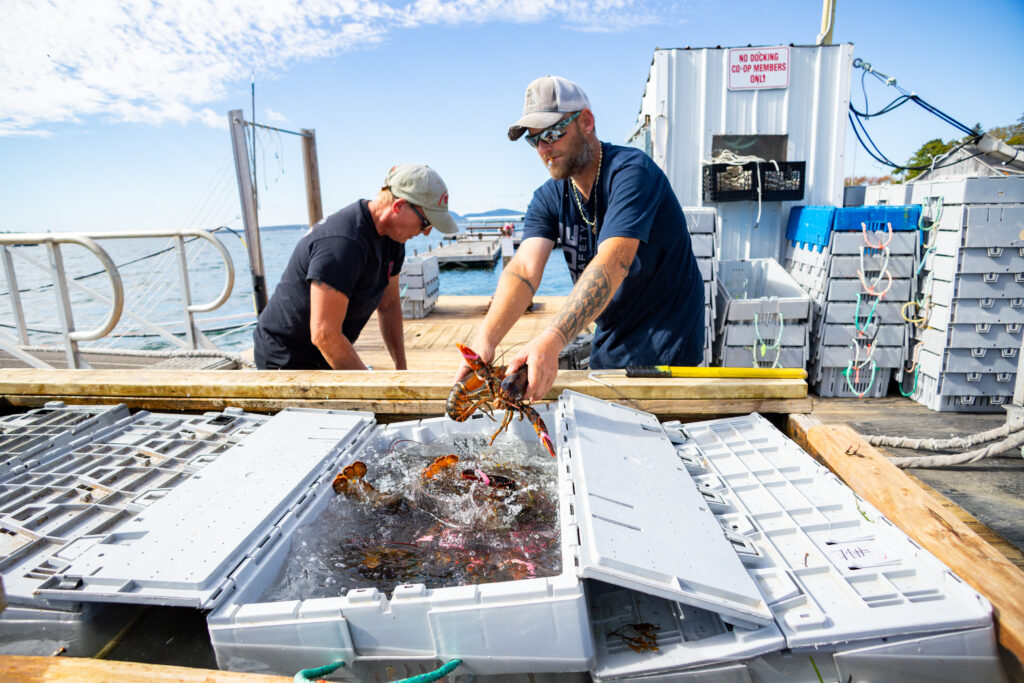

As I have traveled through Maine’s coastal and fishing communities during the 2026 season, I have had the opportunity to sit down with lobstermen, visit working waterfronts, attend community meetings, and have the kinds of informal conversations that happen naturally when fishermen get together. As a former commercial fisherman myself, I understand that some of the most important conversations do not happen in formal meetings. They happen at the wharf, in the boatyard, at the co-op, or standing beside a truck after a boat comes in. What I have been hearing this year is not that Maine’s lobster fishery is disappearing, but that fishermen are becoming increasingly concerned about how long the current model of fishing can remain economically and socially sustainable.
The first and most consistent concern I hear is uncertainty. Maine’s lobster fishery has always involved risk. Weather, markets, breakdowns, and changes in the resource are part of being a fisherman. What feels different now is the number of uncertainties fishermen are dealing with at the same time. Landings have declined from the record levels in the last decade, operating costs continue to increase, ocean conditions are changing, and fishermen are trying to understand what future regulations may mean for their businesses. Maine landed 78.8 million pounds of lobster in 2025, the lowest total since 2008, although the fishery still generated more than $461 million in landed value. For fishermen, however, statewide numbers do not always tell the whole story. A boat can have a good price and still have a difficult year if catch is down or the cost of bait, fuel, traps, rope, insurance, repairs, and other equipment continues to climb.
The economics of the fishery are probably the issue I hear about most often. Every trip carries expenses before a fisherman ever puts a lobster in the tank. Fishermen are increasingly aware that a high dock price does not necessarily mean a profitable year. The rising cost of maintaining boats and gear is putting pressure on the margins of many small fishing businesses. Island Institute has similarly identified rising operating costs and warming waters as major pressures on Maine’s fishing communities.
For fishermen, however, statewide numbers do not always tell the whole story. A boat can have a good price and still have a difficult year if catch is down or the cost of bait, fuel, traps, rope, insurance, repairs, and other equipment continues to climb.
Another concern I hear regularly is whether the next generation will be able to get into the fishery. Many of the fishermen I talk with want their children to have the opportunity to fish, but the financial barrier to entry continues to grow. The cost of a boat, license, gear, insurance, and a place to live can make starting a fishing business extremely difficult for a young person who does not have family resources behind them. This is more than a fisheries issue—it is a community issue. If young fishermen cannot afford to live in the communities where they fish, or cannot afford to establish their own businesses, Maine risks losing not only fishermen but the families, knowledge, businesses, and traditions that surround them.
Housing has therefore become part of the conversation about the future of fishing. A fisherman cannot operate a boat from a community if they cannot afford to live there. As coastal communities become increasingly expensive, working families are competing for housing in markets that were never designed around the needs of year-round fishing families. The loss of affordable housing can eventually become a loss of the working waterfront itself because the people who depend upon that waterfront are no longer able to live nearby.
Regulation remains another major source of concern. Fishermen understand that regulations are a part of maintaining a sustainable fishery, and Maine’s lobster industry has a long history of developing conservation measures with the industry. What I hear more often is frustration with uncertainty and the feeling that fishermen are sometimes being asked to make major business decisions without knowing what the regulatory landscape will look like several years from now. Right whale protections continue to be particularly important to fishermen, especially as additional federal regulations are being developed for implementation later this decade. At the 2026 Maine Fishermen’s Forum, right whale regulations were still one of the issues most frequently discussed by fishermen and regulators.
Diversification does not mean giving up fishing. It can mean giving a fishing family more options.
The changing ocean is another concern that comes up in conversations with fishermen. Fishermen are often among the first people to notice changes in water temperature, timing of the seasons, molting, currents, and where different species are being found. Maine fishermen reported colder water conditions and later lobster shedding during recent seasons, while scientists and regulators continue to examine longer-term changes in lobster distribution and abundance. From a fisherman’s perspective, the challenge is not simply knowing that the ocean is changing. It is trying to make a thirty-year investment in a boat and fishing business when nobody can say with certainty what the fishery will look like ten or twenty years from now.
I also hear concern about Maine’s dependence on lobster as the primary economic engine for many coastal communities. Lobster has been remarkably successful, and that success should not be minimized. At the same time, many communities have become heavily dependent on a single fishery. When lobster does well, the benefits reach far beyond the boat. When it struggles, the effects are felt by dealers, mechanics, fuel suppliers, marine businesses, restaurants, truckers, processors, and families throughout the community. This makes economic diversification an increasingly important part of the conversation about fishing’s future. Diversification does not mean giving up fishing. It can mean giving a fishing family more options.
Working waterfront infrastructure is another area where I believe we need to pay greater attention. Wharves, boat ramps, fuel facilities, gear storage, processing facilities, and access to the water are essential pieces of economic infrastructure. Many of these facilities are aging, expensive to maintain, and increasingly exposed to storms, flooding, erosion, and development pressure. When a working waterfront disappears, it is very difficult to recreate. Protecting these places should therefore be viewed as an investment in Maine’s economic infrastructure, not simply as an investment in individual properties.
Perhaps the biggest concern I hear, however, is whether the fishing life that many of us grew up with will still be available to the next generation. As a former fisherman, I understand why this matters. Fishing is more than an occupation. It is a way of life, a source of independence, and a connection between families and the communities where they live. The knowledge passed from one generation to another—where to set gear, how to read the weather, how to understand the bottom, how to work safely, and how to make a living on the water—is part of Maine’s cultural heritage. If the economic conditions make it impossible for young people to enter the fishery, that knowledge can disappear surprisingly quickly.
The ocean will change. Markets will change. Regulations will change. Costs will change. The question is whether fishermen and fishing communities will have the resources and flexibility to adapt to those changes while remaining connected to the water.
The future of Maine fishing will not be determined by one regulation, one species, or one bad season. It will be determined by how well we help fishing families and communities adapt.
For me, this is where the work of Island Institute can be especially valuable. Our role is not to tell fishermen what their future should look like; it is to listen to fishermen, understand the challenges they are facing, and help them develop the tools, relationships, resources, and opportunities they need to make their own decisions. That means supporting business resilience, helping young fishermen get established, protecting working waterfronts, creating opportunities for income diversification, improving access to capital, and making sure fishermen’s voices are part of conversations about the future of the marine economy.
Maine’s lobster fishery has demonstrated an extraordinary ability to adapt. But resilience should not be mistaken for an unlimited ability to absorb change. If we want Maine’s fishing communities to remain strong, we need to invest in that resilience now, while fishermen still have the ability to shape what comes next.
What I am hearing from fishermen in 2026 is ultimately not a call to save a dying industry. It is a call to make sure that the people who have built Maine’s fishing communities have a meaningful opportunity to shape their future. As a former fisherman, and now as someone working with these communities through Island Institute, I believe we need to listen to that message carefully. The future of Maine fishing will not be determined by one regulation, one species, or one bad season. It will be determined by how well we help fishing families and communities adapt to the changes already underway while preserving the knowledge, culture, and economic opportunities that make Maine’s working waterfronts worth protecting.